The Raw Power of Indian Village Cricket: Heart, Soul, and Sixes
In India, cricket isn’t just a sport; it’s a religion. While the world watches the glitz and glamour of the IPL or the intensity of an India-Pakistan International match, the true essence of the game resides in the dusty bylanes and uneven fields of rural India. Recently, the hashtag #ytshorts has been flooded with clips showcasing the raw power of Indian village cricket, capturing moments that even professional biometrics can’t explain.
Why Village Cricket is Going Viral on YTShorts
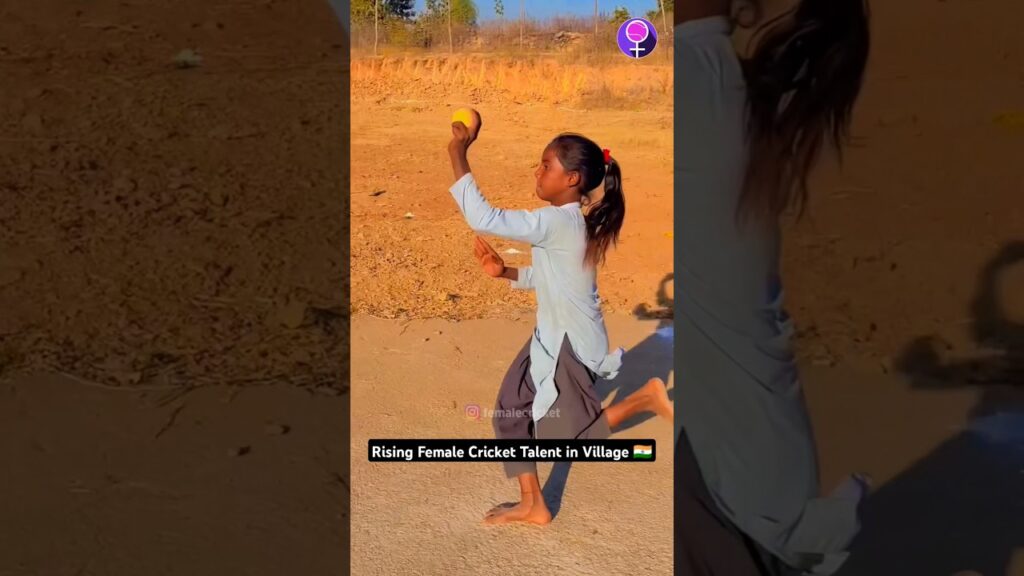
If you scroll through YouTube today, you’ll likely encounter a village lad hitting a massive six over a haystack or a bowler delivering a lightning-fast yorker with a tennis ball. These short videos are trending because they represent “Asli Cricket” (Real Cricket). There are no expensive kits, no manicured grass, and often, no shoes—just pure talent and a burning desire to win.
The #ytshorts phenomenon has brought local heroes into the national spotlight. Whether it’s a “Helicopter Shot” played with a heavy wood bat or a mystery spinner making the ball turn on a dirt track, the raw power displayed is unmatched.
The Unique “Cricket Score” of the Streets
In village cricket, the cricket score isn’t just about numbers on an app like Cricbuzz. It’s about bragging rights for the entire village. Matches are often played for trophies, local pride, or sometimes a “Khashi” (Goat) prize!
Unlike international matches where a target of 200 in T20 is considered high, in village “Tennis Ball” cricket, teams often chase 80 or 90 runs in just 5 or 6 overs. The strike rates are astronomical, and every ball is an event. When you check a local live cricket score on apps like CricHeroes, you see the incredible intensity of these short-format neighborhood battles.
What Makes Village Cricket So Powerful?
- Improvisation: Playing on uneven ground teaches players unique footwork and hand-eye coordination.
- Tennis Ball Dynamics: Light tennis balls wrapped in electrical tape (tape-ball) swing and dip unpredictably, creating world-class bowlers.
- Community Spirit: The entire village gathers under the banyan tree to cheer, making every match feel like a World Cup Final.
Bridging the Gap: From Village Fields to Chinnaswamy
Many of India’s modern greats, including stars like Umran Malik and Mukesh Kumar, started their journeys on these very fields. The raw power and pace they developed in village tournaments provided them with the “street smarts” needed to survive the pressures of professional cricket. The transition from a local cricket score to an international scoreboard is a dream fueled by the grit seen in those viral YTShorts.
Conclusion
The raw power of Indian village cricket is a testament to the country’s deep-rooted love for the game. It is a reminder that you don’t need a stadium to be a superstar; you just need a bat, a ball, and an unbreakable spirit. As technology brings these rural talents to our smartphone screens via #ytshorts, the gap between the village green and the national team continues to shrink. So, next time you see a local match happening, stop and watch—you might just be witnessing the next big thing in Indian cricket.
Frequently Asked Questions (FAQs)
1. What is the “Raw Power” of village cricket?
It refers to the natural, untutored talent and physical strength of rural players who perform exceptionally well without professional coaching or high-end equipment.
2. Why is village cricket trending on YouTube Shorts?
Users love the relatability and the high-intensity action of gully and village cricket. Short, 60-second clips perfectly capture massive sixes and dramatic wickets that appeal to India’s vast cricket-loving audience.
3. Where can I check the cricket score for local village tournaments?
While international scores are on major news sites, local Indian village tournament scores are often tracked on specialized community apps like CricHeroes or CricksLab.
4. Is tennis ball cricket different from leather ball cricket?
Yes. Tennis ball cricket is faster, usually played over fewer overs, and requires more “raw power” for hitting, as the ball is lighter and harder to hit for long distances compared to a heavy leather ball.
5. Can village cricket players make it to the IPL?
Absolutely. Scouts for IPL teams increasingly look at local tournaments. Players like T. Natarajan and Umran Malik have roots in local/tennis ball cricket formats.