What Happens to the Ice Rink After Hockey Season? The Ice Melt Process Explained
In India, the popularity of ice hockey is surging, particularly in regions like Ladakh and Himachal Pradesh, as well as indoor rinks in cities like Delhi and Mumbai. But have you ever wondered what happens to the massive sheet of ice once the final whistle blows and the hockey season ends?
Removing an ice rink isn’t as simple as turning off a switch and letting it melt. It is a calculated, multi-step engineering process known as the “Ice Melt” or “Take-down.” Here is a behind-the-scenes look at how an ice rink disappears.
Step 1: Turning Off the Chilling System
The foundation of any ice rink is a complex network of pipes buried beneath the floor. These pipes circulate a refrigerant (usually brine or glycol) at sub-zero temperatures to keep the water frozen. The first step in the melting process is turning off the refrigeration units. Once the cooling stops, the ice begins to warm up naturally from the ambient air temperature.
Step 2: Breaking the Seal
Professional ice is usually only 1 to 1.5 inches thick, but it is incredibly dense. To speed up the process, technicians often use a Zamboni (ice resurfacer) to shave the ice down as thin as possible. By shaving off the top layers, they reduce the total volume of frozen water that needs to melt, saving hours of time.
Step 3: The Heating Process
In many modern indoor arenas, facility managers don’t just wait for the ice to melt; they actively warm it up. They do this by circulating warm brine through the same pipes that previously kept the floor cold. This warms the ice from the bottom up, breaking the bond between the ice and the concrete floor.
Step 4: Clearing the Slush
Once the ice detaches from the floor, it turns into a heavy, wet slush. At this stage, tractors or skid-steer loaders are brought onto the rink. They scrape the slush into a large “melt pit”—a heated reservoir usually located under the arena floor. From there, the water is filtered and drained into the municipal sewage system.
What Happens to the Logos and Lines?
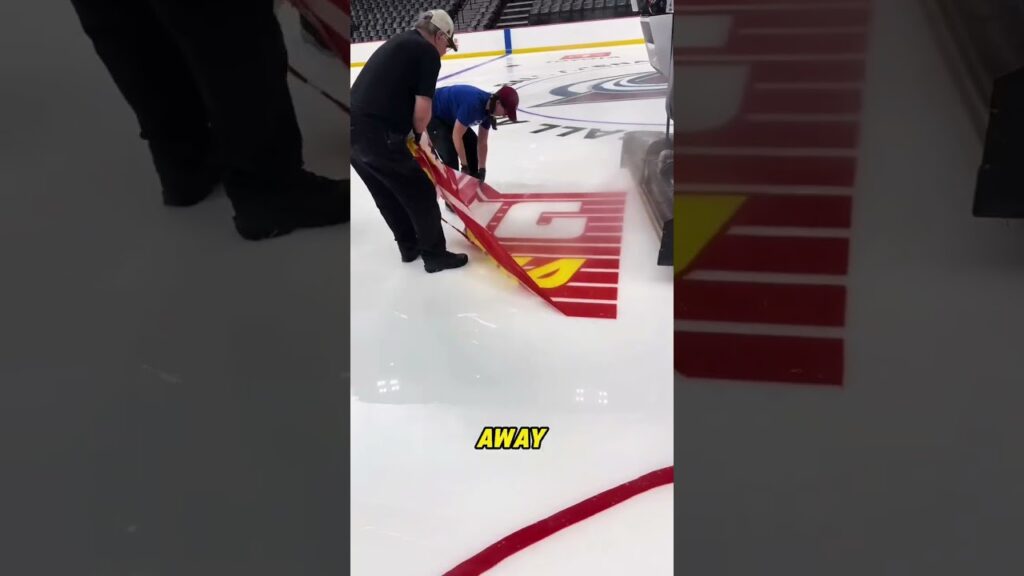
Interestingly, the team logos and hockey markings aren’t painted on the ice; they are often painted on a base layer of ice or made of thin mesh fabric frozen inside the ice. As the ice melts, workers manually peel up these fabric logos and dispose of them or save them for the next season.
Why Remove the Ice at All?
In India, many rinks are multi-purpose. Once the ice is removed, the concrete floor is cleaned and prepped for other events such as basketball games, trade expos, or concerts. Keeping an ice rink frozen during the off-season is also incredibly expensive due to the high electricity costs of refrigeration.
Conclusion
The transition from a professional hockey rink to a plain concrete floor is a fascinating blend of physics and logistics. While it takes weeks of careful maintenance to build a “great sheet of ice,” the entire removal process can be completed in as little as 24 to 48 hours. Whether it’s at the high-altitude rinks of Leh or the indoor arenas of our metros, the ice melt marks the end of one journey and the preparation for the next season.
Frequently Asked Questions (FAQs)
1. How long does it take to melt a professional ice rink?
Depending on the equipment used, it typically takes between 12 to 24 hours to break up and remove the ice, with another 24 hours required for the floor to dry completely.
2. Is the water from the ice rink recycled?
In most cases, the water is drained into the city’s waste system. However, some eco-friendly arenas in India and abroad are exploring ways to filter and reuse this water for cooling towers or irrigation.
3. Can you play hockey on the concrete after the ice is gone?
Yes! Many players switch to “Inline Hockey” or “Ball Hockey” on the dry concrete surface during the summer months.
4. How thick is the ice during a hockey game?
Most professional rinks maintain an ice thickness of about 1 to 1.5 inches. If the ice is too thick, it requires more energy to keep cold and becomes “soft” for the players.