
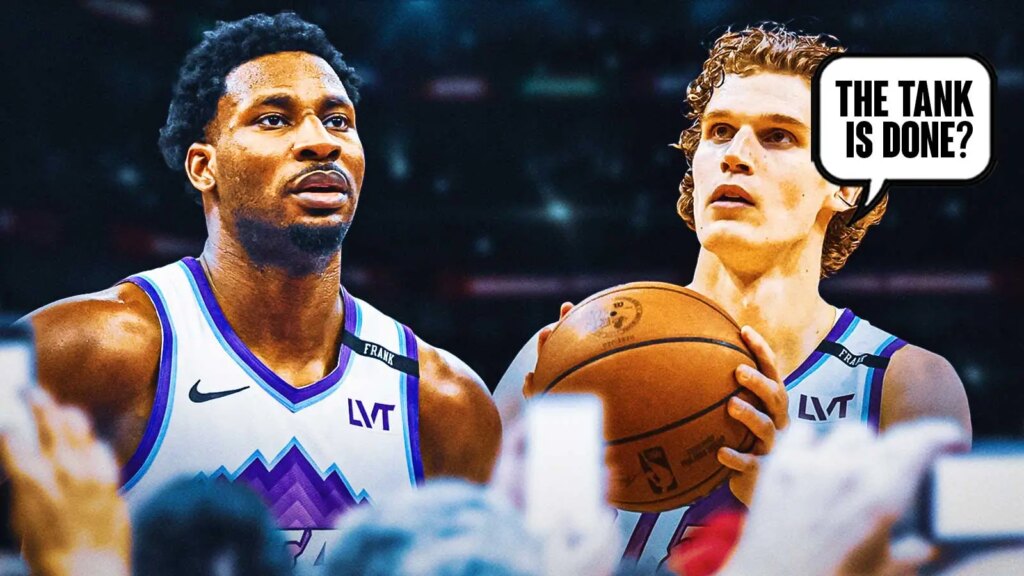
There has been a lot of noise in recent weeks over the Utah Jazz’s alleged tanking practices that have caught the attention of the NBA. In fact, the Jazz franchise was fined $500,000 for allegedly keeping healthy players out of action in close games, with the league sending a message that their shameless resting maneuvers had to stop.
Whatever the case, the Jazz aren’t far from getting back to consistent winning ways. They’re drafting a nice young core in Salt Lake City, and the front office believes everything they’ve built so far is pushing for a win-now trade before the deadline that, at least on paper, will have them ready to compete for a playoff spot in 2027 and beyond, even in a loaded West.
The Jazz were surprisingly aggressive, they nabbed one of the best stars available in the NBA, and they should be commended for announcing their intentions now that their tanking ways are nearing their end.
Jazz swing blockbuster trade for Jaren Jackson Jr.
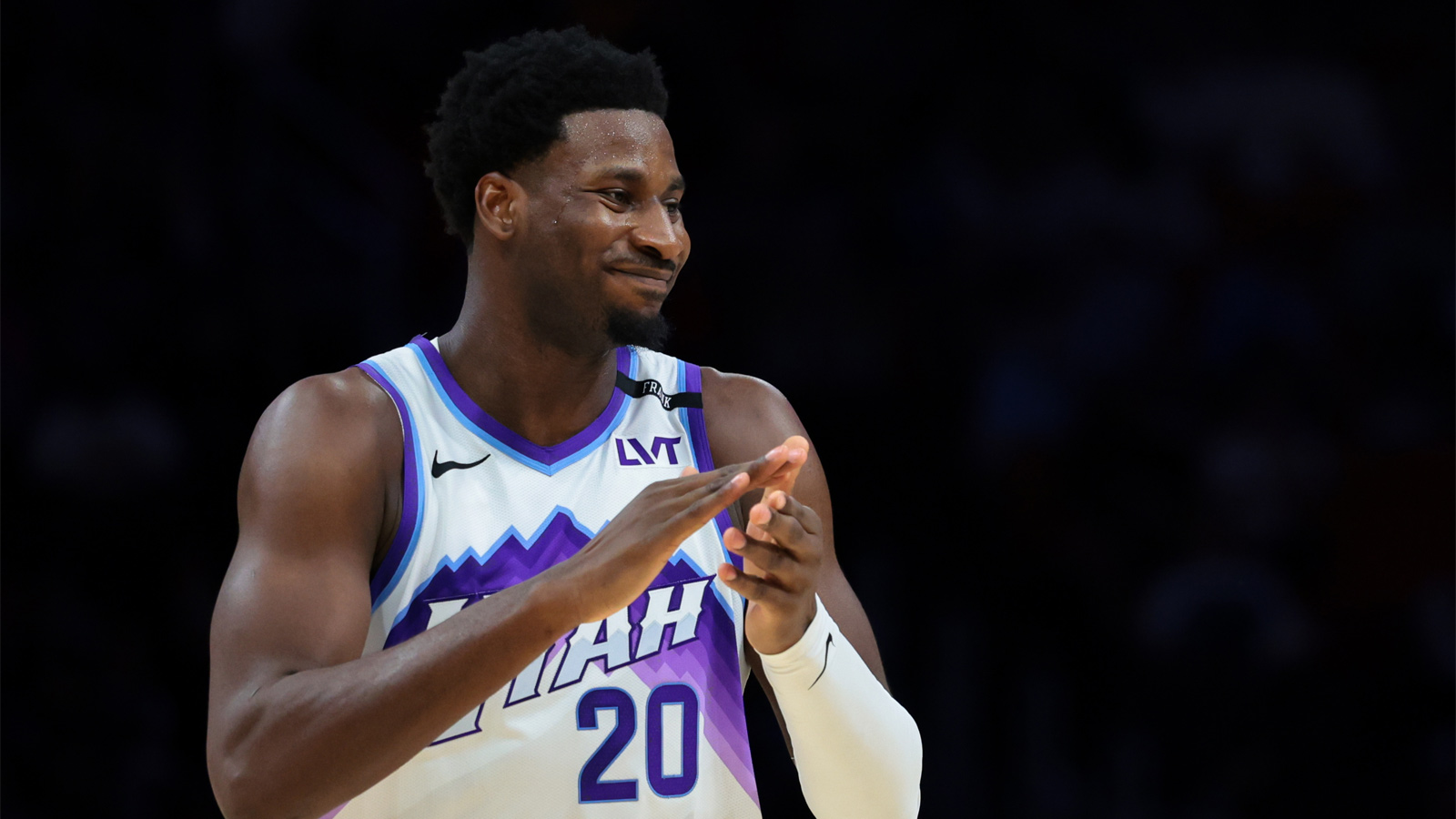
The Jazz have shown flashes of being very competitive this season, and a lot of that has to do with the fact that their offense has taken a significant step forward. Utah has always believed in Keyonte George, so the decision was made to select him first. But George’s career took off in his third season in the NBA, as he became one of the most explosive scoring guards in the association.
George is not your prototypical point guard, but he is a flamethrower who can make his shot at any time, and it seems necessary to have a player like that in today’s NBA for teams with competitive aspirations. And the Jazz guard has future star written all over him and it certainly played a role in Utah being more aggressive in the trade market, acquiring former Defensive Player of the Year Jaren Jackson Jr.
Jackson’s production has stagnated, but the Memphis Grizzlies team has also been around him, so it’s hard to blame him too much for his shortcomings this season. Books have been written on Jackson; He’s one of the best shot-blockers in the NBA and he’s more dynamic than anyone thinks on the perimeter on the defensive end, and he’s a versatile offensive player.
He is able to put the ball on the floor, bypass smaller defenders, and make buckets using his extraordinary left-handed baby hook. And he’s been a reliable shooter throughout his career, making 1.7 triples per game on over 35 percent shooting so far in his seven seasons in the NBA.
The big weakness in Jackson’s game is his rebounding, as at times his rebounding instincts and motor are poor, and he does not have the strength to force his way onto the boards. But fortunately for them, the Jazz have two very capable centers handling the glass in Walker Kessler (as he returns from injury) and Jusuf Nurkic (who is on intermittent rest to help the Jazz avoid losing a few more games).
And given that the Jazz are playing Lauri Markkanen at the three, Jackson’s main weakness as a player shouldn’t be too big a factor for Utah.
Utah’s biggest need is defense (they are last in the NBA in defensive rating) and acquiring Jackson and pairing him with Kessler would solve a lot of the Jazz’s defensive problems. Add in the defensive ability of Ace Bailey on the perimeter, and the Jazz have all the makings of a balanced, two-way threat.
Now, the trade the Jazz made cost them dearly. They had to give up two recent first-round picks in Taylor Hendricks (drafted ninth overall in 2023) and Walter Clayton Jr. (18th overall in 2025), as well as three first-round picks: the most favorable UTA/MIN/CLE first-round pick in 2027, an unprotected Los Angeles Lakers pick the same year, and an unprotected 2031 first-round pick from Phoenix. Sunday.
The Jazz should be ready to compete next season, and the Cleveland Cavaliers and Minnesota Timberwolves should still be contenders, so that pick won’t be something they regret parting with. The Lakers have Luka Doncic. The 2031 Suns pick may become something, but a lot can happen in five years – five years ago, the Suns were in the NBA Finals.
Hendricks hasn’t progressed as well as the Jazz had hoped anyway, though that’s largely due to the horrific injury he suffered that ended his sophomore campaign. Clayton looked like a quality point guard, but the Jazz had George and Isaiah Collier anyway, so it’s not like they desperately needed another floor general.
The Jazz are reaching the point of oversaturation with young players, and the goal is to put together a winning basketball team, not just accumulate assets for the sake of it. It was nice and all that they had all the future picks, but hoarding them instead of giving them away doesn’t seem like a smart move for a perennial DPOY candidate like Jackson. This trade should be considered nothing but a huge win for the Jazz.
Utah uses cap space to replenish asset base
For now, the Jazz are in a holding pattern as they intend to land their pick in the top-eight so they can keep it out of the hands of the greedy Oklahoma City Thunder. Thus, the Jazz pulled off a few trades to at least acquire a few more assets to act as a salary-dumping site for some teams looking to reduce their tax bill.
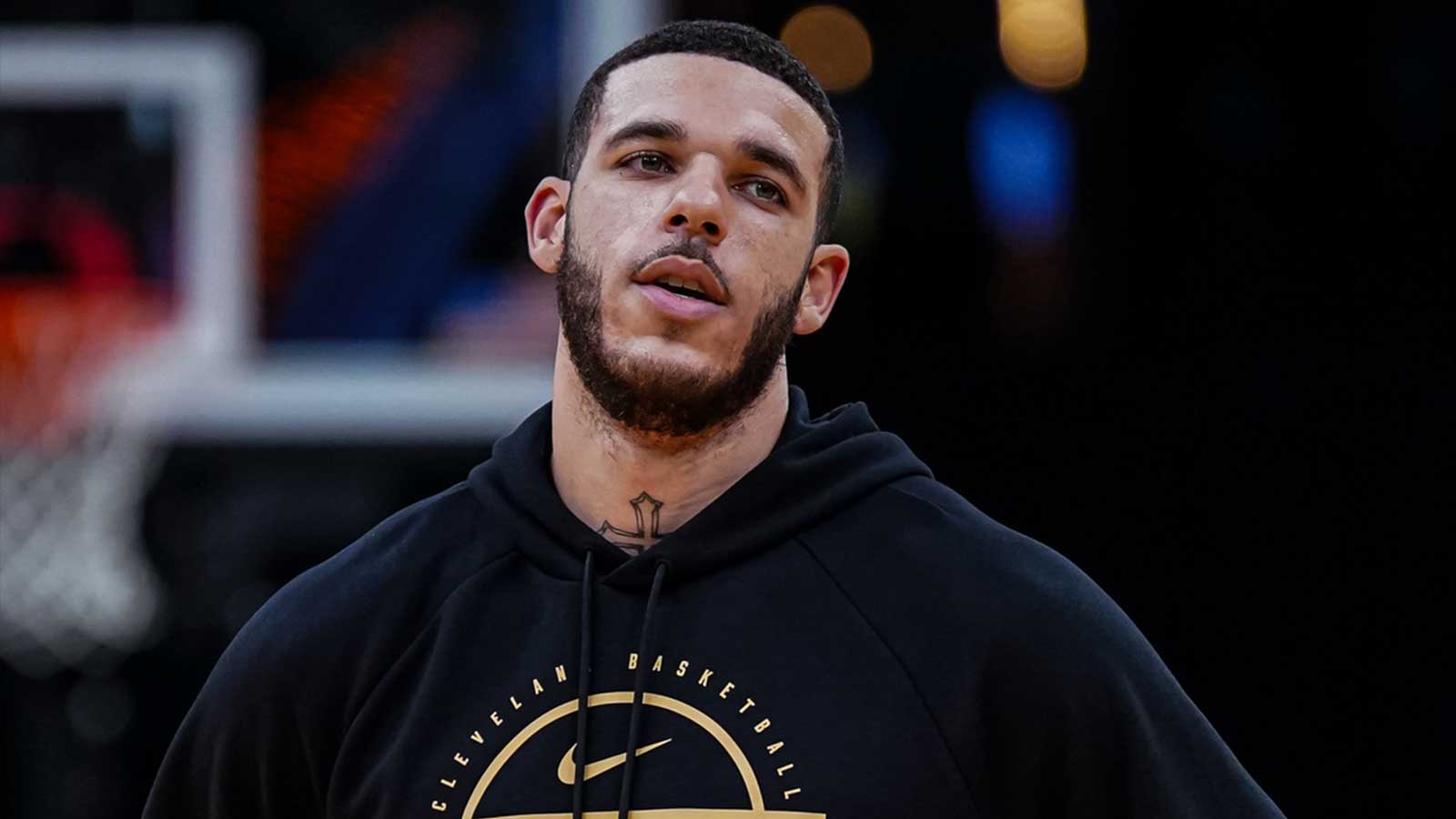
The Jazz acquired two second-round picks from the Cleveland Cavaliers to absorb the contract of Lonzo Ball, who was looking worthless this season. He then acquired another second-round pick, Austin Ainge, to help his father Danny’s beloved Boston Celtics further reduce their tax bill by absorbing Chris Boucher’s contract.
The Jazz front office made their trade deadline, and every fan should be very pleased with how they handled things.
Jazz’s trade deadline grade: A+
#Jazz #grade #NBA #trade #deadline #Jaren #Jackson #Jr.s #blowout