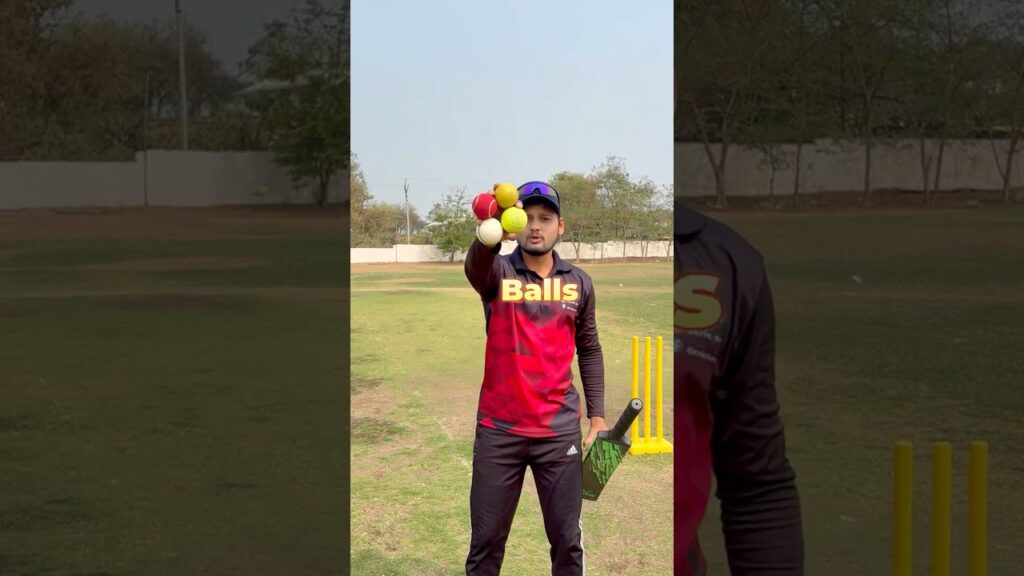
Can a Tennis Cricket Bat Survive a Hard Leather Ball? 😱
Cricket is a religion in India, and it begins for most of us in the “gully” or streets with a light tennis bat and a bright green tennis ball. However, as aspiring cricketers grow, they often wonder: Can I use my favorite tennis cricket bat to play with a professional hard leather ball?
If you’ve seen trending #cricketshorts on YouTube or Instagram, you might have seen people attempting this experiment. But before you take your lightweight willow to the local pitch to face a pace bowler with a cork-filled leather ball, here is everything you need to know.
The Structural Difference: Tennis Bat vs. Leather Ball Bat
To understand why this is a risky move, we must look at how these bats are manufactured. Most tennis bats used in India are made from Kashmir Willow or even lighter woods like Poplar. They are scooped out from the back to make them ultra-light for power-hitting with a tennis ball.
In contrast, a professional leather-ball bat is made from high-quality English Willow or thick Kashmir Willow. These bats undergo a rigorous “pressing” process to compress the wood fibers, making the blade dense enough to withstand the impact of a 156g hard leather ball.
What Happens When a Tennis Bat Hits a Leather Ball?
If you attempt to play a leather ball with a tennis bat, three things are likely to happen, and none of them are good:
- Structural Cracking: Since tennis bats are not pressed for density, the impact of a hard leather ball will likely cause the wood to dent deeply or crack upon the first few impacts.
- Handle Snapping: Tennis bat handles are often made with less reinforcement. The “sting” or vibration from a hard ball can snap the handle at the shoulder of the bat.
- Zero Performance: A tennis bat is designed to be springy for a light ball. A leather ball is too heavy; it will simply “die” on the bat, and you won’t get any distance or timing.
The Safety Concern for Indian Gully Cricketers
Safety is the biggest reason why you should avoid this. Tennis bats do not have the shock absorption required for leather ball cricket. The vibration caused by the impact can lead to long-term wrist and elbow injuries (like tennis elbow). Furthermore, if the bat shatters, flying wood splinters can hurt the batsman or the wicketkeeper.
Conclusion
In the battle of Tennis Bat vs. Hard Leather Ball, the leather ball wins every single time. While it makes for a great viral video or #cricketshorts experiment, it is practically impossible and dangerous to use a tennis bat for professional cricket. If you are transitiong from tennis ball cricket to leather ball tournaments, it is time to invest in a properly pressed, full-cane handle Kashmir or English Willow bat designed for the job.
Frequently Asked Questions (FAQs)
1. Can I use a tennis bat for a “heavy” tennis ball (Nivia/Vicky)?
Yes, most high-quality tennis bats are specifically designed to handle hard tennis balls like Vicky or Nivia. However, they are still not strong enough for leather balls.
2. Is Kashmir Willow good for leather balls?
Yes, but only if the bat specifically states it is for “Leather Ball Use.” These bats are heavier and thicker than the ones made for tennis cricket.
3. Why do tennis bats have “scoops”?
The “scoop” design removes wood from the back of the bat to reduce weight, allowing players to swing faster. This makes the bat too thin to survive a hard leather ball.
4. Will “knocking” a tennis bat make it ready for a leather ball?
No. Knocking is meant for leather ball bats to compress the fibers. Tennis bats are made from softer wood that will likely break if you try to “knock” it with a heavy mallet or leather ball.
5. What is the weight difference between the two balls?
A standard tennis ball weighs about 56–58 grams, while a professional cricket leather ball weighs between 156–163 grams. The leather ball is nearly three times heavier and significantly harder.
Tennis bat vs hard cricket balls!😱#cricket #cricketshorts #cricketequipment