
100% Luck or Pure Skill? The Magic Behind Viral Ice Hockey Highlights
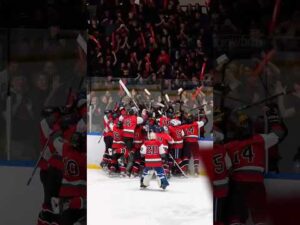
If you have been scrolling through YouTube Shorts recently, you’ve likely encountered a jaw-dropping clip titled “Was this 100% Luck or Pure Skill? 😱 Ice Hockey Highlights.” For many sports fans in India, where cricket and field hockey dominate the landscape, these high-speed NHL (National Hockey League) clips are becoming a fascinating new obsession.
Ice hockey is a game of nanoseconds. When a player strikes a puck at 160 km/h or makes a “no-look” pass across the rink, the line between a lucky break and elite athleticism becomes incredibly thin. Let’s break down why these highlights are viral gold and what makes the NHL so special.
The “Luck vs. Skill” Debate in the NHL
In the viral short, we often see players making “save of the year” contenders or scoring goals while falling over. To the untrained eye, it looks like a fluke. However, in the professional world of the NHL, what looks like luck is usually anticipation.
- Muscle Memory: NHL players practice specific shots thousands of times. When a puck deflates off a stick into the top corner, it’s often due to the player positioning their blade at the perfect mathematical angle.
- Reaction Time: A typical human reaction time is about 250ms. Top-tier hockey goalies react in under 150ms. That “lucky” glove save is actually peak human performance.
- The Chaos Factor: High-speed sports involve “puck luck”—where the puck bounces off a skate or a post. But as the saying goes, “The better you are, the luckier you get.”
Why Indian Fans are Tuning Into Ice Hockey Shorts
India has a rich history with Field Hockey, being multi-time Olympic gold medalists. This cultural connection makes the transition to watching Ice Hockey natural. The speed of the NHL highlights appeals to the younger “Gen Z” audience in India who crave high-intensity, short-form content.
The intensity of the NHL, the physical hits, and the sheer technicality of skating on thin blades while handling a puck is something that resonates with the Indian sporting spirit of grit and determination.
What Makes a Highlight Go Viral?
The specific short “Was this 100% Luck or Pure Skill?” uses a classic engagement hook. It challenges the viewer to make a judgment. Whether it’s Connor McDavid’s insane puck handling or Cale Makar’s ankle-breaking turns, these clips highlight the “Superhuman” element of the sport.
Key Elements of Professional Hockey Highlights:
- The Deke: Using fakes to move the goalie out of position.
- The One-Timer: Hitting a moving puck instantly without stopping it first.
- The Poke Check: A defensive move that requires surgical precision to steal the puck.
Conclusion
So, was it 100% luck or pure skill? In the NHL, it’s almost always a combination of both, heavily weighted toward world-class skill. While a lucky bounce can decide a game, only a skilled athlete can put themselves in the position to capitalize on that luck. As Ice Hockey continues to grow in popularity in India through digital platforms and viral shorts, we can expect more fans to appreciate the complexity of this “coolest game on earth.”
Frequently Asked Questions (FAQs)
1. Is Ice Hockey played in India?
Yes! Ice Hockey is very popular in the Himalayan regions, especially in Ladakh. India also has a national ice hockey team that competes internationally.
2. What is the NHL?
The NHL stands for the National Hockey League. It is the premier professional ice hockey league in the world, primarily based in the United States and Canada.
3. Why is it called “Puck Luck”?
“Puck luck” is a term used when the puck bounces in a team’s favor due to random chance, such as hitting a weird bump in the ice or an opponent’s equipment.
4. How fast can a hockey puck travel?
The fastest “slap shots” in the NHL can exceed 170 km/h (over 100 mph), making it one of the fastest objects in professional sports.
5. Where can I watch NHL highlights in India?
You can watch official NHL highlights on their YouTube channel, through social media “Shorts,” or on major sports streaming platforms available in the region.