
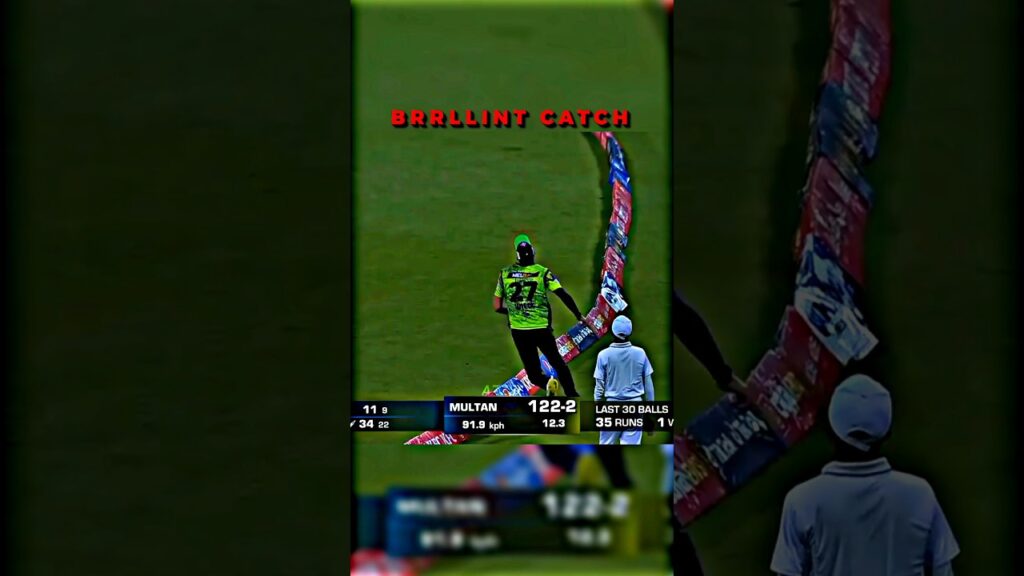
Sensational Diving Catch in Cricket: The Magic That Ignites the Stadium
In the world of cricket, while a towering six or a 150 kmph yorker gets the heart racing, nothing compares to the sheer gravity-defying spectacle of a sensational diving catch. From the local maidans of Mumbai to the packed stands of the Narendra Modi Stadium, the sight of a fielder airborne, stretched to full length, clutching the ball inches from the grass, is what dreams are made of.
With the rise of #shorts and viral social media clips, these nanosecond moments of brilliance have found a new home. A 15-second clip of a stunning catch can now rack up millions of views, inspiring the next generation of Indian cricketers to work on their agility and reflexes.
The Evolution of Indian Fielding
There was a time when Indian cricket was known primarily for its spin wizards and batting legends. However, the culture has shifted dramatically. Inspired by icons like Eknath Solkar and later Mohammad Kaif and Yuvraj Singh, modern Indian players like Ravindra Jadeja and Virat Kohli have redefined fielding standards.
Today, a “sensational diving catch” isn’t just a lucky break; it is the result of intense athletic training, “dead-eye” focus, and a complete lack of fear for the hard turf. Whether it’s a slip fielder diving to his right or a boundary rider sprinting 30 yards to take a “blinder,” the athleticism on display is elite.
Why These Catches Go Viral on #Shorts
In the age of short-form content, cricket fans crave high-octane action. A diving catch 🏏🔥 fits this format perfectly because:
- The Shock Factor: One moment the ball is flying toward the boundary; the next, it’s tucked safely in a fielder’s glove.
- Slow Motion Beauty: Watching a fielder “hang” in the air in slow-mo reveals the precision and grit involved.
- Emotional Impact: The roar of the Indian crowd following a spectacular catch is an auditory experience like no other.
Key Elements of a Great Diving Catch
What goes into that split-second miracle? It’s more than just luck. Pro cricketers focus on:
- Anticipation: Reading the batsman’s feet and the swing of the bat before the ball is even struck.
- The “First Step”: Explosive lateral movement to cover the maximum ground.
- Tucked Landing: Learning how to land safely to ensure the ball doesn’t pop out upon impact with the ground.
Conclusion
A sensational diving catch is more than just an “out” on the scorecard; it is a momentum shifter. For the Indian fan, these moments symbolize the passion and “never-say-die” spirit of the game. As we continue to scroll through #cricket shorts, we aren’t just looking at highlights; we are witnessing the peak of human reflexes and the beautiful, unpredictable nature of the sport we love.
Frequently Asked Questions (FAQs)
1. Who is considered the best fielder in Indian cricket history?
While many names come to mind, Eknath Solkar is often cited as the pioneer, while Ravindra Jadeja is widely regarded as the best modern-day fielder India has ever produced.
2. How can I improve my diving catches in local matches?
Focus on your core strength and agility drills. Practice catching with soft balls initially to get your diving technique right without the fear of injury. Always keep your eyes on the ball until it hits your palm.
3. Why are diving catches more common in T20 and IPL?
The high-pressure nature and short format of T20 cricket mean every run and every wicket is crucial. This forces fielders to take higher risks and put their bodies on the line more frequently than in longer formats.
4. Does the ground condition affect diving catches in India?
Yes. With world-class outfields now available at almost all major Indian stadiums, players are more confident to dive without the risk of serious skin abrasions or injuries compared to the harder outfields of the past.
@AZZ5656
#azz56
AZZ56